
The Nature of Luck in Gambling
Luck often plays a pivotal role in the perception of outcomes in gambling environments, particularly within casinos. Many players approach these establishments with the belief that fortune can swing in their favor at any time. Luck is defined as the chance occurrence of events that can lead to favorable outcomes. Within the realm of games and betting, this notion is deeply ingrained, leading players to attribute wins or losses to their “lucky” or “unlucky” streaks. This psychological element fuels the excitement of gambling, prompting individuals to explore esports betting sites repeatedly in the hope of experiencing that fortuitous moment.
Understanding how luck operates in a casino setting can be complex. Most games, such as slot machines, roulette, or blackjack, are designed with random number generators, which inherently remove any control a player might feel they have. This randomness is important to recognize, as it means that outcomes are not influenced by previous results. However, players often fall into cognitive biases where they believe their luck can be manipulated through rituals, superstitions, or patterns that they observe in gameplay. This emotional investment in luck creates a unique and vibrant gambling culture.
Moreover, the concept of luck varies significantly between different games and players. In games of chance, such as slots, luck is the primary factor determining outcomes. Players rely on sheer happenstance to achieve victories. On the other hand, games that involve skill, like poker or blackjack, allow for strategy to play a significant role. In these circumstances, a player’s perceived luck is often a combination of skill and chance. Understanding the balance between these elements is crucial for players who hope to navigate the often tumultuous landscape of casino games.
The Psychology of Luck and Its Impact on Gambling
The psychology behind how players view luck greatly influences their gambling experience. Cognitive biases, such as the gambler’s fallacy—the belief that past events can affect the likelihood of future outcomes—can lead individuals to become overly optimistic about their chances of winning. For instance, if a player observes a series of losses, they might believe they are “due” for a win, which could result in increased betting. This can lead to a cycle of hope and disappointment, heavily influencing the way players interact with the games.
Additionally, emotions play a significant role in gambling behaviors. Players experiencing euphoria from a recent win may feel ‘lucky’ and more inclined to continue betting, whereas someone facing losses may feel unlucky and withdraw. This emotional rollercoaster can cloud judgment and lead to irrational decisions, emphasizing how perception of luck can warp reality. When players become emotionally invested in their perceived luck, they may overlook optimal strategies that could enhance their outcomes.
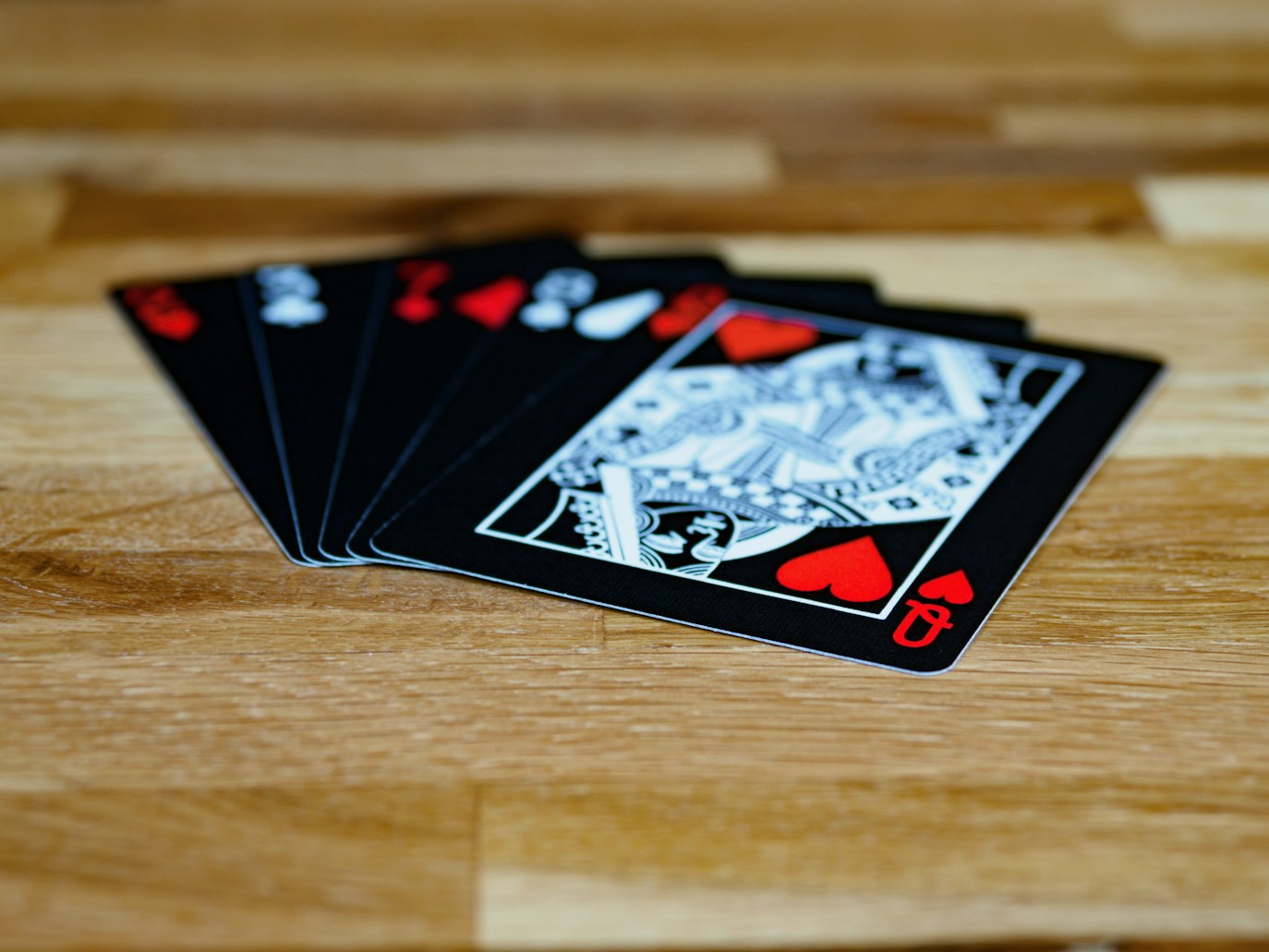
Ultimately, the psychology of luck is intertwined with the social aspect of gambling. Players often share stories of their “lucky” experiences, further reinforcing the idea that luck is a tangible force. This social narrative builds community and camaraderie among gamblers, as they bond over shared experiences that highlight the unpredictable nature of luck. The interplay between luck, psychology, and community creates a unique dynamic in casinos that keeps players returning for more, regardless of statistical odds.
Luck’s Role in Different Casino Games
In various casino games, the role of luck can differ immensely. Take, for example, slot machines. These games rely entirely on random outcomes, with players having no influence over the result. The idea of luck becomes almost palpable as players press the spin button, holding their breath for a big win. While strategies can be implemented regarding bankroll management, ultimately, the slot machine operates purely on chance. The randomness creates an exhilarating thrill, driving players to embrace the element of luck.
In contrast, table games such as poker present a different dynamic, where both luck and skill are essential. Players must assess the strengths of their hands against opponents, employing strategic thinking while also considering the luck of the draw. In poker, a lucky hand can set the stage for a significant win, but seasoned players understand that skillful play often trumps mere chance over time. This combination of luck and skill creates a layered experience where outcomes are influenced by both luck and player decisions.
Furthermore, games like roulette highlight a fascinating intersection of luck and probability. Betting on numbers or colors can yield thrilling results, but again, players have no control over the outcome of the spin. The allure of roulette lies in the anticipation of uncertainty, where players experience the highs and lows that accompany their bets. Understanding how luck affects different types of casino games is crucial for players looking to maximize their enjoyment while also recognizing the inherent risks associated with gambling.
The Impact of Superstitions on Gambling Outcomes
Superstitions are an intrinsic part of the gambling culture, significantly affecting how players perceive luck and outcomes in casinos. Many gamblers adopt specific rituals or beliefs, such as wearing “lucky” clothing or using particular betting strategies, in the hope of attracting good fortune. This behavior is not merely whimsical; it stems from a deep psychological need for control in an unpredictable environment. When players feel that they can influence their luck through these rituals, it reinforces their connection to the game and enhances their gambling experience.

Moreover, the persistence of certain superstitions can be observed across different cultures and contexts. Some players may avoid specific numbers or choose certain colors based on personal beliefs or local traditions. This cultural aspect of gambling superstitions can lead to interesting dynamics within casino settings, as players discuss and share their beliefs with one another. The social reinforcement of these superstitions can contribute to a collective understanding of luck that transcends individual experiences.
However, it’s essential to recognize that while superstitions may enhance the gambling experience, they do not genuinely influence outcomes. The random nature of most casino games means that no amount of ritual can alter results. Players must find a balance between enjoying their superstitions and understanding the role of chance in their gaming experiences. By doing so, they can appreciate the thrill of gambling without becoming overly reliant on these beliefs, thus fostering a healthier relationship with luck in casino environments.
Exploring Reliable Resources about Gambling
As discussions about luck and outcomes in casinos continue, having access to reliable resources is crucial for players seeking to enhance their understanding of gambling. Websites dedicated to the gaming industry often provide insightful information about game strategies, the psychology of gambling, and tips for managing bankrolls. Understanding the mechanics behind games helps players make informed decisions rather than relying solely on luck. This knowledge ultimately contributes to a more responsible and enjoyable gambling experience.
Furthermore, online forums and communities dedicated to gambling can offer a wealth of personal experiences and shared strategies among players. These platforms allow individuals to discuss their superstitions and beliefs around luck, creating a dialogue that can potentially enrich everyone’s understanding of the topic. By engaging with others and sharing insights, players can approach their gambling endeavors with a more informed perspective on luck’s actual role.
Ultimately, while luck undoubtedly plays a role in casino outcomes, understanding its place within the broader context of gambling can lead to better decision-making and increased enjoyment. By seeking out quality information and becoming more educated about the games, players can enjoy the thrill of gambling while maintaining a realistic perspective on luck’s influence. In an environment where chance reigns supreme, a well-informed player is often the most successful one.
